
Safety Measures to Remember When Operating Overhead Cranes
The industrial landscape relies heavily on the strength and precision of heavy machinery to move massive loads with efficiency. Within this environment, the use of overhead cranes is a daily necessity for manufacturing, construction, and shipping sectors. These powerful machines allow for the vertical and horizontal movement of materials that would otherwise be impossible to transport. However, the sheer scale of these operations introduces significant risks to the workforce if protocols are not strictly followed. A commitment to safety is not merely a legal obligation but a fundamental component of a productive workplace. When personnel understand the mechanics of the equipment and the environment in which they operate, the potential for accidents diminishes substantially. This discussion explores the essential practices required to maintain a secure atmosphere while utilizing these vital industrial tools.
The complexity of modern lifting systems requires a high degree of coordination and focus. Operating overhead cranes involves more than just pulling levers; it requires an intimate knowledge of load capacities, center of gravity, and structural limits. Every lift is a unique event that presents its own set of challenges, from varying weather conditions in outdoor yards to the tight constraints of a busy factory floor. By prioritizing a culture of safety, companies can protect their most valuable assets—their employees—while ensuring the longevity of their hardware. Vigilance must be constant, as even a minor oversight can lead to significant property damage or personal injury.
Conducting Pre-Operational Equipment Inspections
Performing a thorough check of the machinery before any work begins is the first defense against mechanical failure. Operators should examine the hoist, the bridge, and the trolley for any signs of wear, deformation, or unusual noise. Wire ropes and chains require close scrutiny to ensure there are no kinks, breaks, or excessive stretching that could compromise the lift. This daily ritual ensures that the overhead cranes are in peak condition before they are tasked with moving heavy burdens. By identifying a frayed cable or a malfunctioning limit switch early in the shift, the team can address the issue before it escalates into a dangerous situation.
Checking the control systems is equally important during this phase. Every button, joystick, and emergency stop mechanism must be tested to confirm they respond accurately and immediately. If the controls feel sluggish or intermittent, the machine should be taken out of service until a qualified technician can perform the necessary repairs. Documentation of these inspections provides a clear history of maintenance and helps in predicting when certain components might reach the end of their functional life. A proactive stance on hardware health is the hallmark of a professional industrial operation.
Implementing Rigorous Operator Training Programs
Educating the workforce is perhaps the most effective way to prevent workplace incidents. Only individuals who have completed comprehensive certification programs should be permitted to manage overhead cranes. This training covers the physics of lifting, the interpretation of load charts, and the proper use of specialized rigging hardware. An educated operator understands how to anticipate the swing of a load and how to compensate for the momentum of the bridge. Without this specialized knowledge, a person is essentially guessing, which is unacceptable in a high-stakes industrial setting.
Training must also emphasize the importance of communication between the operator and the ground crew. Standardized hand signals and radio protocols ensure that everyone is on the same page during a lift. When an operator knows exactly what the signal person intends, the movement of the load becomes fluid and predictable. Furthermore, the risks associated with the environment must be highlighted. For instance, according to FTQ360, 36% of fatalities in construction are falling from heights. While this statistic often refers to workers on ladders or scaffolding, it serves as a stark reminder of the dangers present in elevated work environments, including those involving crane runways and maintenance platforms.
Assessing Load Weight and Balance
Determining the exact weight of an object before attempting a lift is a non-negotiable step in the process. Overloading is a primary cause of structural failure in overhead cranes, putting immense stress on the girders and the hoisting mechanism. Operators must consult manifest data or use integrated scales to verify that the load falls well within the rated capacity of the equipment. It is always better to be cautious and seek a larger machine than to push a smaller one beyond its safe operating envelope.
Balancing the load is just as critical as knowing its weight. An off-center lift can cause the load to shift violently once it leaves the ground, creating a pendulum effect that is difficult to control. Rigging hardware, such as slings and shackles, must be positioned so that the center of gravity is directly beneath the hook.
Maintaining Clear Work Zone Boundaries
Establishing a secure perimeter around the lifting area prevents unauthorized personnel from entering a danger zone. The space beneath a moving load, often referred to as the "fall zone," should be strictly off-limits to everyone. Visual markers such as floor tape, cones, or temporary barriers help to communicate these boundaries to other workers in the facility. When overhead cranes are in motion, the operator must have a clear line of sight, and the ground crew must ensure that no one wanders into the path of the trolley or the bridge.
Executing Smooth and Controlled Movements
Developing a steady hand is a skill that distinguishes an expert operator from a novice. Abrupt starts and stops create unnecessary stress on the mechanical components and can cause the load to swing dangerously. Operators should use gradual acceleration and deceleration to keep the movement as smooth as possible. This "inching" technique is particularly important when placing a load into a precise location or when working near other sensitive equipment. The goal is to maintain total control of the object at every stage of the journey.
Avoiding "side pulling" is another crucial aspect of controlled movement. The hoist should always be positioned directly above the load before the lift begins. Pulling an object from the side can cause the wire rope to jump out of the drum grooves and puts lateral stress on the bridge that the machine was not designed to handle. If a load is not perfectly aligned, the operator should reposition the overhead cranes rather than attempting to drag the object into place. Patience and precision are the hallmarks of a safe and professional lifting operation.
The integration of heavy lifting equipment into a facility brings immense capability, but it also demands a culture of unwavering safety. Every employee, from the site manager to the newest ground worker, plays a part in maintaining a secure environment. By adhering to strict inspection schedules, investing in high-quality training, and respecting the physical limits of the machinery, the risks associated with these operations can be effectively managed. Safety is not a static goal but a continuous process of improvement and vigilance.
Ultimately, the successful operation of industrial machinery relies on the synergy between human intelligence and mechanical power. When operators are empowered with the right knowledge and tools, they can perform complex tasks with confidence and poise. The principles of load management, environmental awareness, and equipment care form a comprehensive framework that supports the entire organization. By keeping these measures at the forefront of every shift, a company ensures that its operations remain efficient, profitable, and, most importantly, safe for everyone involved.
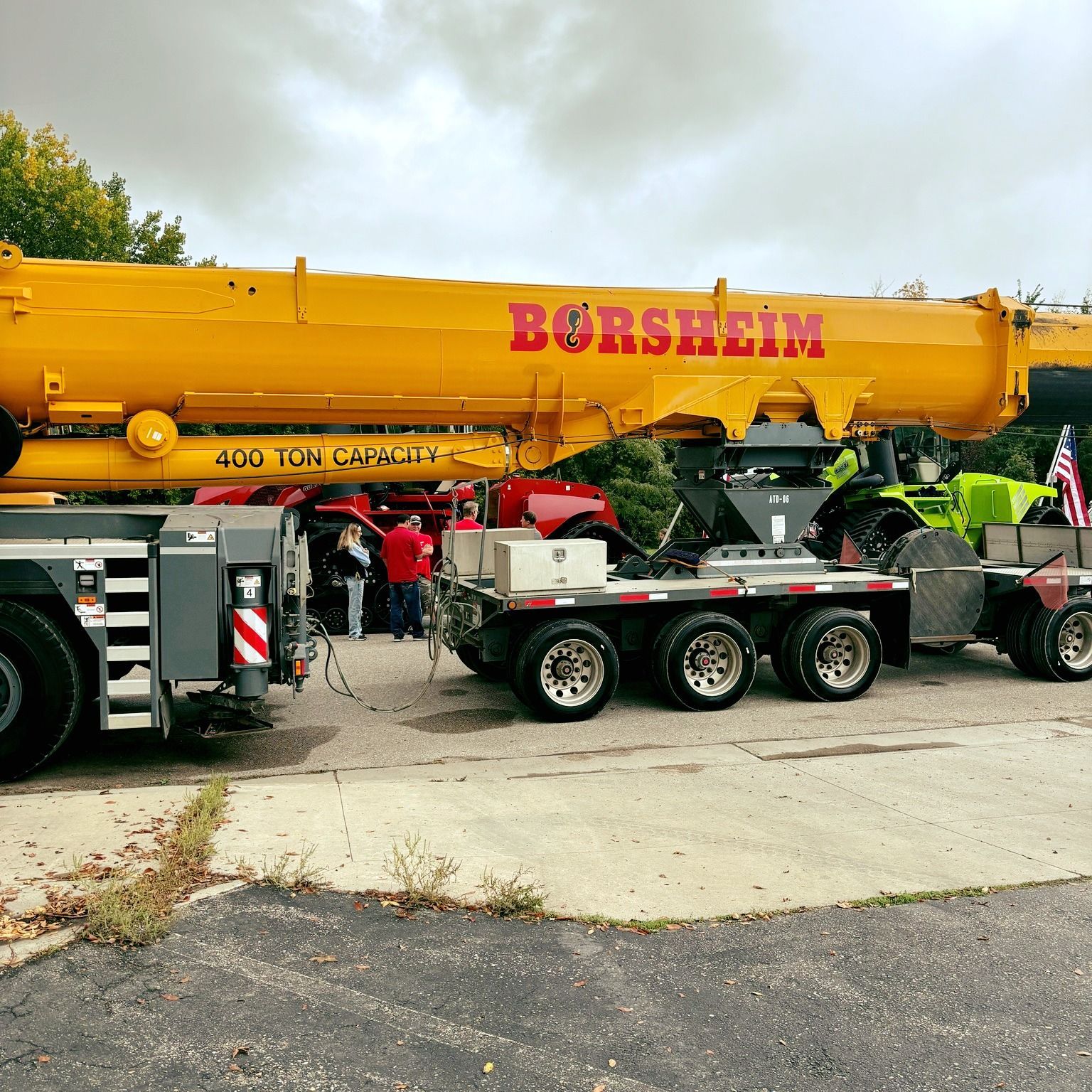
At Borsheim Crane Service LLC, we are committed to providing the expertise and reliable equipment necessary to elevate your safety standards and operational success.


Share On: