
Most Projects Start with the Wrong Question: “What Size Crane Do We Need?”
If you’ve spent any time around construction planning meetings, you’ve probably heard the question come up early: “What size crane do we need?” It sounds logical. After all, cranes are one of the most critical—and costly—pieces of equipment on a jobsite, especially when coordinating crane rental services.
But here’s the reality: crane size is not the decision—it’s the result.
The better question, and the one that actually determines project success, is this:
What lift plan ensures safe, efficient execution without delays or rework? Many teams jump straight into rental decisions before fully understanding their project needs.
Across projects throughout Montana, South Dakota, North Dakota, and Minnesota—especially in data centers, substations, and industrial construction—we see the same pattern. Teams choose a crane based on load weight alone, often tied to early rental assumptions. Later, they discover that radius, site conditions, or sequencing demand an entirely different setup.
That’s when problems start.
What Actually Determines the Right Crane
Choosing the right crane isn’t about picking a tonnage class off a chart. It’s about understanding how the lift will actually happen in real-world conditions before committing to any crane rental.
Every project involves multiple types of lifts, and each one has its own requirements. Even within a single jobsite, crane needs can vary significantly depending on the task at hand. Common lift scopes include:
- Structural steel erection
- Generator, transformer, or chiller placement
- Precast or modular installation
- Electrical and substation work
Each of these demands a different lifting strategy. What works for placing structural steel efficiently may not come close to meeting the requirements for a long-radius transformer pick. Treating all lifts as if they have the same needs is where planning starts to break down—and where the wrong rental choice is often made.
Instead of asking what crane is needed, the focus should be on how each lift will be executed safely and efficiently. Only then can the right equipment be identified.
The Biggest Miss: Radius Drives Everything
The most common mistake in crane selection is putting too much emphasis on weight while overlooking radius.
Yes, load weight matters—but radius often matters more.
Consider this:
- A 20,000 lb pick at 40 feet is typically straightforward
- That same 20,000 lb load at 100+ feet is an entirely different challenge
As the radius increases, a crane’s lifting capacity drops significantly. That means a crane that appears sufficient on paper may be completely inadequate in practice once placement distance is factored in—leading to costly crane rental adjustments.
We’ve seen projects where this detail was missed early on, resulting in major issues. Crews arrive on-site with the wrong equipment, only to realize the lift can’t be completed as planned. The result?
- Re-mobilization of larger cranes
- Added transportation and setup costs
- Delays that impact the entire project schedule
All of it could have been avoided with a more detailed lift plan up front.
Typical Crane Ranges in Upper Midwest Data Center Work
While no two projects are identical, most crane requirements in Upper Midwest data center and industrial construction fall into a few general categories. These ranges often guide early crane rental planning, but they should never replace a detailed lift analysis.
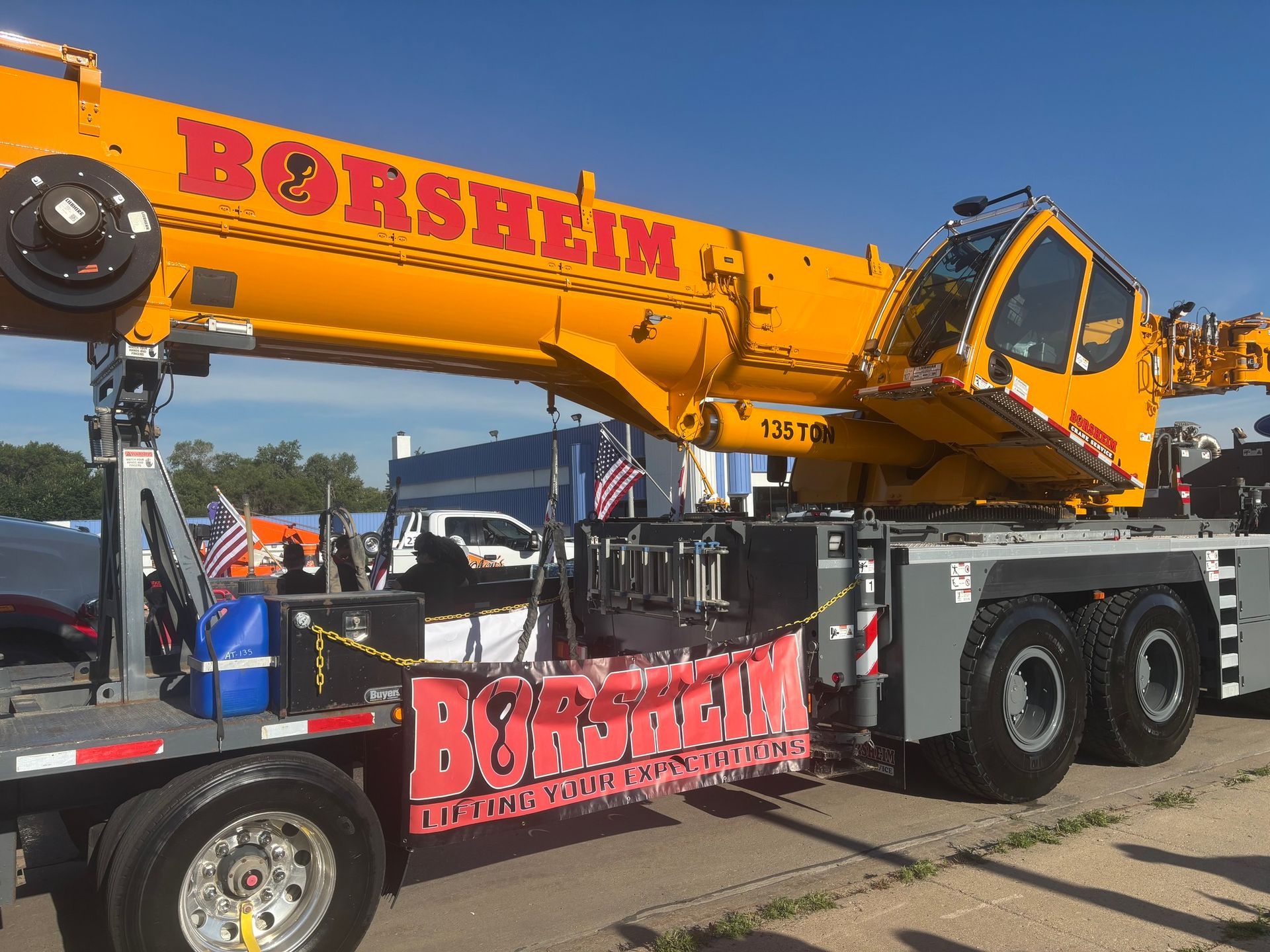
90–150 Ton Cranes
These cranes are commonly used during early project phases. They’re ideal for:
- Initial site work
- Light structural steel
- Smaller equipment placement
They offer strong mobility and efficiency, making them a practical choice when space is limited or frequent repositioning is required. However, their capacity drops off quickly at longer radii, which limits their use in later phases.
200–300 Ton Cranes
This range is often considered the “workhorse” category. These cranes handle:
- Structural steel erection
- Mid-weight equipment installation
They strike a balance between capacity and flexibility, making them a go-to option for many core construction activities and a common choice in rental fleets. Still, they may not be sufficient for heavier picks or extended reach requirements.
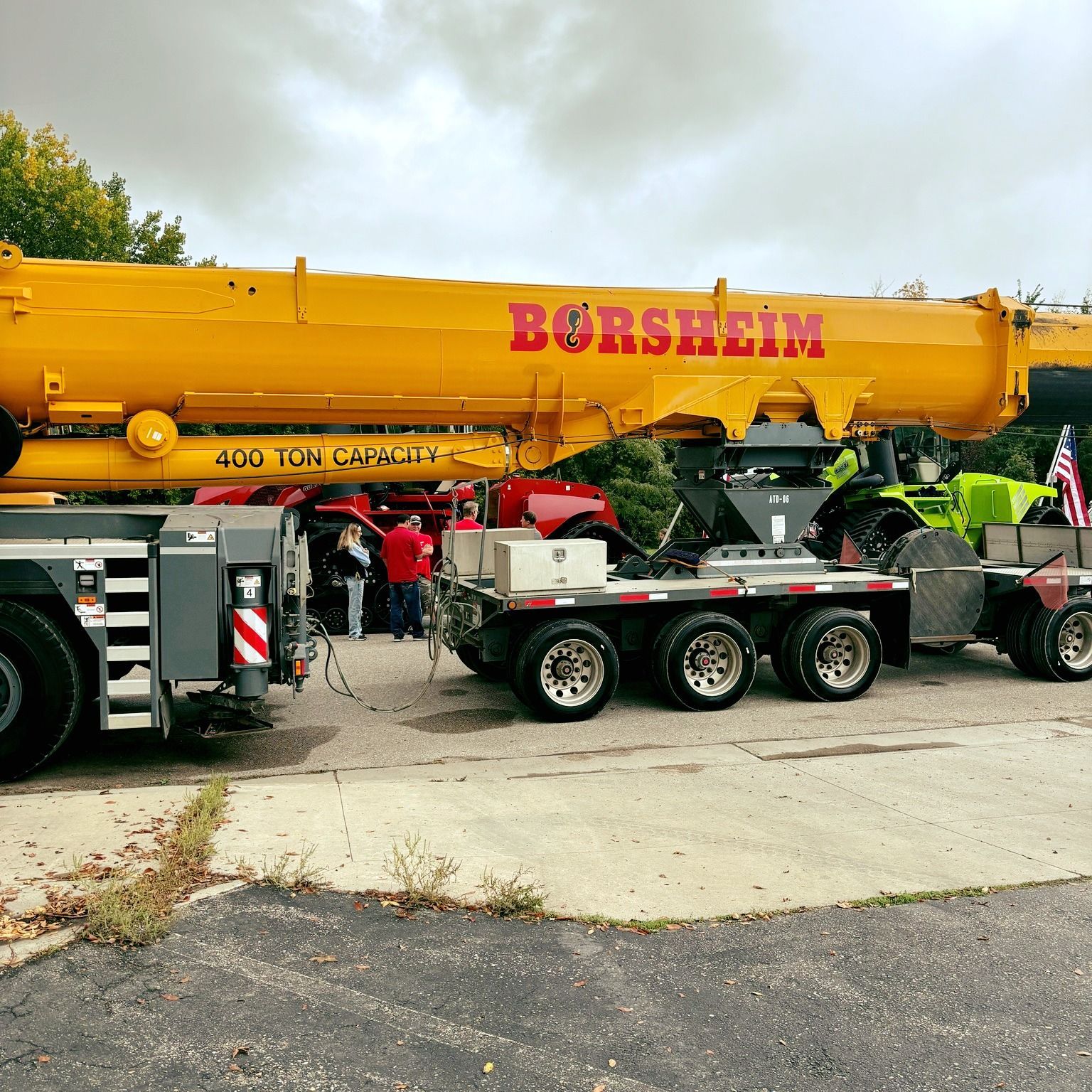
300–500 Ton Crawler Cranes
When projects reach heavy installation phases, crawler cranes become essential. They are typically used for:
- Generators
- Transformers
- Long-radius heavy picks
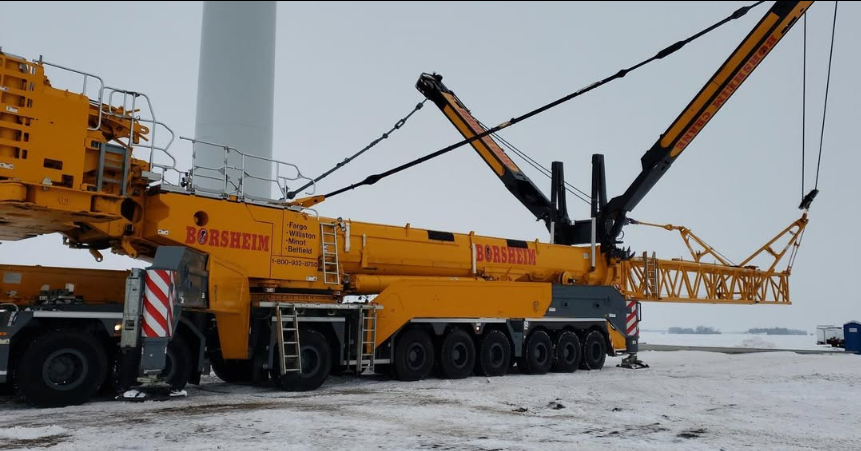
Crawler cranes are well-suited for sustained lifting over multi-week periods. Their stability and capacity make them ideal for demanding lifts, but they require more planning, space, and setup time.
The key takeaway isn’t choosing one category—it’s understanding when and how each type fits into the overall project sequence.
Site Conditions Change Everything
Crane selection doesn’t happen in a vacuum. Even the most carefully planned lift can be impacted by real-world jobsite conditions, which directly influence crane rental decisions.
In the Upper Midwest, several factors regularly influence crane strategy:
- Tight jobsite footprints that limit positioning
- Soil and ground bearing conditions that affect stability
- Winter weather that complicates setup and operation
- Coordination with multiple trades working simultaneously
These variables can significantly alter what equipment is feasible. A crane that works perfectly in theory may not be practical once site constraints are fully understood.
Choosing the wrong crane under these conditions isn’t just inefficient—it introduces real risk, including:
- Project delays and scheduling conflicts
- Additional mobilization and equipment costs
- Increased safety exposure for crews on-site
Proper planning accounts for these variables early, not after equipment has already been scheduled.
Timeline and Sequencing Matter More Than You Think
Crane requirements are not static. They evolve throughout the life of a project, which means rental needs also change over time.
A typical progression might look like this:
- Early phase: Smaller mobile cranes handle initial work
- Structural phase: Mid-range cranes take over for steel erection
- Heavy install phase: Large crawler cranes handle major equipment
- Peak activity: Multiple cranes operate simultaneously
Without a clear understanding of this sequence, projects can quickly run into bottlenecks. Equipment may not be available when needed, or the wrong crane may be on-site at the wrong time.
Planning crane usage as a phased strategy—rather than a one-time decision—helps maintain momentum and avoids costly disruptions.
Where Projects Go Wrong
In most cases, crane-related issues don’t stem from poor equipment. They come from incomplete planning—especially when crane rental decisions are made too early. According to Construction Executive, about 70% of excavation contractors in 2024–2025 face labor shortages and equipment availability issues, causing delays and reliability concerns that directly affect customer satisfaction and project timelines.
We’ve stepped into projects where:
- Crane size was selected based only on preliminary load weights
- Site constraints weren’t fully evaluated
- Lift sequencing hadn’t been clearly defined
The outcome is predictable:
- Increased costs from last-minute changes
- Delays that ripple across the schedule
- Rework that could have been avoided
These challenges are rarely the result of bad decisions—they’re the result of missing information at the time decisions were made.
The Borsheim™ Approach
At Borsheim™, we take a different approach. We don’t start with crane size—we start with the lift itself, not just the crane rental.
Our process focuses on understanding every variable that impacts execution, including:
- Load weight and configuration
- Radius and final placement requirements
- Site constraints and ground conditions
- Lift sequencing across the project timeline
Only after evaluating these factors do we recommend the right crane—or, more often, the right combination of cranes.
Because the goal isn’t simply to secure crane rental equipment.
The goal is to execute the lift correctly the first time.
This approach reduces uncertainty, improves efficiency, and helps keep projects on schedule from start to finish. Do you need to rent a crane? Contact the professionals at Borsheim Crane Service LLC to get started today.


Share On: