
Tips for Planning a Site Layout for Crane Operations
Crane operations demand careful coordination, technical knowledge, and a clearly defined site layout. From initial assessments to final lift execution, every phase of planning influences safety, productivity, and regulatory compliance. A well-prepared layout not only supports efficient lifting but also strengthens collaboration between contractors and your selected crane company.
When site logistics are overlooked, projects can face delays, safety hazards, and increased costs. Working closely with an experienced crane company during the planning stage helps align crane capabilities with site conditions, ensuring that each lift proceeds smoothly and responsibly.
Assess Site Conditions Thoroughly
Before equipment arrives, conduct a comprehensive site evaluation that examines terrain, access limitations, and potential obstructions. A detailed survey identifies slopes, underground utilities, overhead structures, and other physical features that may influence crane placement. Collaborating with a crane company early allows planners to match equipment selection with real-world conditions rather than relying solely on drawings or assumptions. This early collaboration also helps identify any specialized equipment or modifications needed to navigate challenging site conditions. Documenting these findings provides a reference for safety planning and future operational adjustments.
Ground stability is another critical factor. Soil composition, density, and compaction levels determine whether additional support measures are required. Cranes exert substantial pressure on the ground, and inadequate preparation can compromise stability. Environmental elements such as wind exposure, drainage patterns, and seasonal weather should also be reviewed during this phase. In addition, planners must account for local zoning requirements and safe clearance distances from power lines to maintain compliance and reduce risk.
Design Safe Access and Egress Routes
Clear entry and exit points are essential for maintaining order and safety throughout crane operations. Properly designed access routes must accommodate the size, weight, and turning radius of heavy equipment while preventing congestion and bottlenecks. Thoughtful placement of gates and roadways allows delivery trucks, material haulers, and the crane company’s crew to move seamlessly across the site without interfering with ongoing lifts or other critical activities. Advance coordination with logistics teams ensures that vehicle arrivals and departures are timed to minimize delays, reduce idle time, and maintain steady workflow throughout the day. When entry and exit points are clearly defined, personnel can focus on their tasks with greater confidence, knowing that movement around the site is organized and predictable.
Transport paths within the site should be clearly marked, maintained, and free from unnecessary obstacles that could hinder crane operations. High-visibility signage guides both operators and ground personnel, while strategically placed lighting enhances safety and operational efficiency during low-light conditions or night-time work. Emergency response access must always remain unobstructed, allowing first responders or on-site safety teams to react quickly in case of incidents. Properly managed traffic flow reduces the risk of collisions, protects equipment, and prevents delays that could disrupt critical lifts. By planning routes thoughtfully and monitoring their use consistently, site managers create a safer, more efficient environment that maximizes the productivity and reliability of crane operations.
Position the Crane Strategically
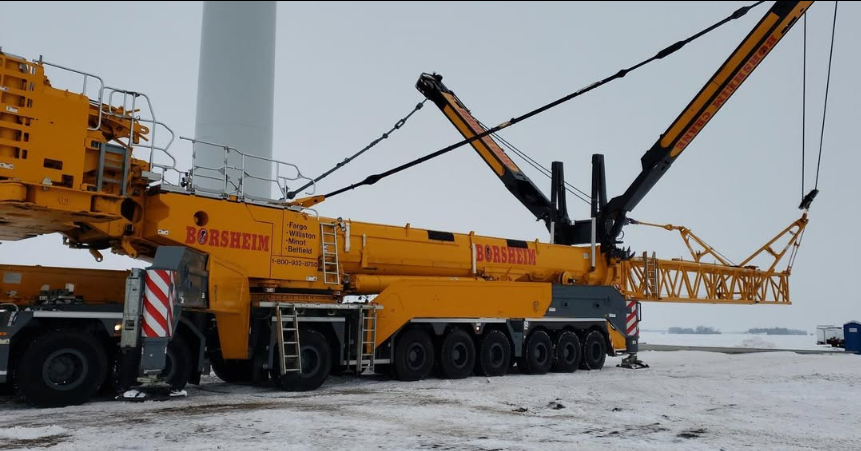
Selecting the optimal crane location requires balancing reach, stability, and operational efficiency. The crane should be positioned to access critical work zones while limiting the need for repositioning. Excessive movement can increase downtime and elevate risk, so thoughtful placement supports both productivity and safety. An experienced crane company can provide insight into boom length requirements, lift sequencing, and space allocation.
Stability considerations extend beyond surface preparation. Counterweight configuration, swing radius boundaries, and clearance from overhead obstructions must be clearly defined and marked. Establishing visible buffer zones around the crane’s operational area helps prevent unintended encroachment. Adequate space for maintenance and inspection should also be incorporated into the layout, allowing technicians to perform routine checks without interfering with other activities.
Coordinate With On-Site Operations
Crane activities rarely occur in isolation. Integrating lift schedules with other trades prevents conflicts and idle time while ensuring that each phase of construction progresses in a logical sequence. When steel erection, concrete placement, mechanical installations, and material deliveries are aligned with lifting operations, crews can work more efficiently without competing for space or resources. Developing a coordinated timeline ensures that materials are staged properly, access routes remain clear, and the crane company’s services are used efficiently throughout the project. Advance planning meetings also allow supervisors to anticipate high-traffic periods and adjust workflows before congestion or downtime becomes an issue. Clear scheduling reduces bottlenecks, minimizes costly delays, and supports steady project progress from start to finish.
Effective communication is equally important to maintaining alignment across teams. Defined reporting channels, documented lift plans, and structured pre-lift meetings keep everyone informed about responsibilities, sequencing, and evolving site conditions. When operators, riggers, project managers, and subcontractors share consistent information, misunderstandings are less likely to compromise safety or productivity. Cross-training personnel to understand crane safety zones, signaling procedures, and operational requirements fosters collaboration and adaptability when site dynamics shift. If disagreements or logistical challenges arise, established conflict resolution procedures provide a professional framework for resolving concerns quickly and constructively. A cooperative environment built on transparency and mutual respect ultimately strengthens the overall success of crane operations.
Implement Comprehensive Safety Measures
Safety planning must remain central to every site layout decision. Conducting detailed risk assessments identifies potential hazards related to equipment placement, load paths, and environmental conditions. By evaluating these factors in advance, planners can implement mitigation strategies that reduce exposure to accidents and equipment damage.
Personal protective equipment policies should be reinforced consistently, ensuring that workers near lifting operations remain properly protected. Physical barriers and clearly defined exclusion zones prevent unauthorized access to swing areas and load paths. Regular safety drills familiarize teams with emergency procedures and evacuation routes, improving response readiness. Incident monitoring and transparent reporting systems also contribute to ongoing improvement, allowing lessons learned to refine future planning efforts. A responsible crane company prioritizes these safeguards as part of its operational standards.
Integrate Technological Innovations
Modern technology enhances both planning accuracy and operational oversight. Automation features, load monitoring systems, and digital lift planning tools provide greater precision and efficiency. Drone-assisted surveys offer aerial perspectives that reveal site constraints and spatial relationships, supporting smarter layout decisions. According to PR Newswire, industry projections indicate that the global crane rental market could reach $64.8 billion by 2029, reflecting increasing demand for advanced solutions and specialized crane company services.
GPS tracking and real-time data systems further strengthen situational awareness by providing up-to-date equipment positioning information. Augmented reality training platforms allow operators to practice complex scenarios in controlled environments before working on active sites. Environmental monitoring tools supply live data on wind and other conditions, enabling informed decisions about lift timing. By embracing innovation, project teams enhance accuracy, reduce uncertainty, and maintain higher safety standards throughout crane operations.
A well-designed site layout serves as the foundation for successful crane operations. Thorough assessments, clearly defined access routes, strategic positioning, coordinated scheduling, and rigorous safety measures all contribute to efficient and compliant performance. Partnering with a knowledgeable crane company ensures that technical expertise guides each stage of the process, from initial survey to final lift.
Careful planning reduces unnecessary risk, protects personnel, and keeps projects on track. When you are preparing for complex lifting tasks, collaborating with experienced professionals makes a measurable difference in outcomes. For dependable guidance and coordinated crane solutions, contact us at Borsheim Crane Service LLC today. We will help you plan and execute your next project with confidence.


Share On: