
How Cranes Are Used in Unusual and Challenging Projects
Cranes have shaped the world's most incredible structures and engineering feats, yet their work extends far beyond the predictable settings of large construction sites. These machines take on some of the most unusual and challenging tasks in locations and conditions that push the limits of innovation and human planning. From remote mountain tops to active disaster zones, cranes show remarkable adaptability as they handle tasks that require strength, precision, and creativity. According to Medium, William Armstrong created the modern crane in 1846, setting the foundation for the powerful lifting equipment we rely on today. In this article, you'll learn how cranes are used when projects demand more than standard lifting work.
Working in Remote and Extreme Geographic Locations
Some of the most impressive crane projects happen far from paved roads or stable ground. Remote mountain regions, deserts, frozen landscapes, and dense forests often require cranes to operate in conditions that are physically unpredictable and logistically complex. All-terrain cranes and crawler cranes are commonly used in these environments because they're designed to stabilize on uneven surfaces and handle rugged terrain.
In many of these locations, transporting the crane itself becomes part of the challenge. Crews may use helicopters to deliver crane components to areas inaccessible by traditional vehicles. Construction of ski lifts, remote scientific research stations, and communication towers in high-altitude or isolated zones all rely heavily on cranes adapted for harsh climates and limited accessibility.
Supporting High-Altitude Construction and Maintenance Work
Building upward presents its own set of challenges, even in populated areas. Tower cranes and heavy-lift cranes play essential roles in constructing skyscrapers, maintaining tall communication structures, and installing wind turbines. These projects require enormous lifting power paired with exceptional precision.
During skyscraper development, tower cranes are anchored directly into the rising structure, allowing them to grow with the building. This method gives builders the ability to position steel beams, façade panels, and mechanical equipment hundreds of feet above the ground.
Wind turbines, often installed on ridgelines or open plains, require cranes capable of lifting long turbine blades and heavy nacelles that must be aligned exactly. These aerodynamic components are sensitive to wind, meaning crane operators face both environmental and mechanical challenges throughout the installation.
Handling Marine, Offshore, and Underwater Lifting Challenges
The marine environment introduces a completely different level of complexity. Ports, offshore drilling sites, and coastal construction projects rely on cranes designed to withstand harsh saltwater conditions, shifting waves, and limited platform stability. Floating cranes, barge-mounted cranes, and offshore pedestal cranes perform lifts that would be impossible on solid ground.
Underwater recovery missions involve cranes that must manage unpredictable weights caused by water resistance, entanglement, and sediment. Salvage crews often attach cranes to sunken vessels, vehicles, or debris buried deep beneath the surface. Working closely with divers and remotely operated vehicles, crane operators lift these objects slowly and carefully to avoid rapid pressure changes or structural collapse. For these reasons, marine-focused crane companies use highly specialized equipment and teams trained for underwater recovery.
Playing a Critical Role in Disaster Recovery and Emergency Response
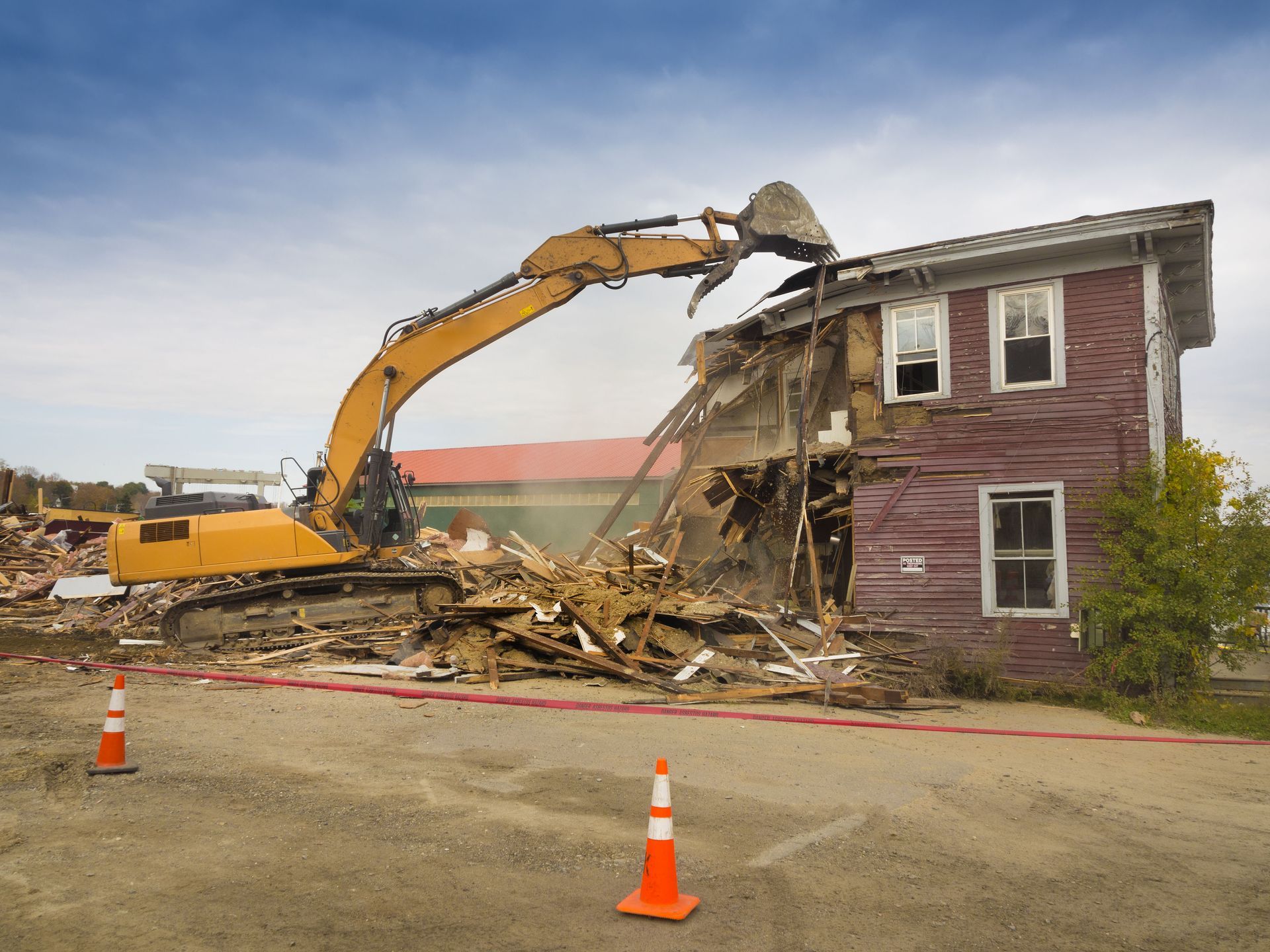
Cranes are indispensable tools during disaster recovery efforts following hurricanes, earthquakes, tornadoes, floods, and industrial accidents. When buildings collapse or infrastructure fails, cranes help clear debris, stabilize dangerous structures, and create safe access routes for rescue teams.
Compact cranes are ideal for navigating tight urban spaces where larger machines cannot fit. They're often used to remove heavy debris or lift rescue equipment into areas blocked by rubble. Large all-terrain cranes may be deployed to lift collapsed highway sections, overturned trains or trucks, or damaged industrial components in the aftermath of major events.
In these unpredictable situations, crane companies must respond quickly, adapting equipment and planning around unstable ground, obstructed roadways, and time-sensitive rescue needs.
Lifting and Installing Artistic, Cultural, and Architectural Creations
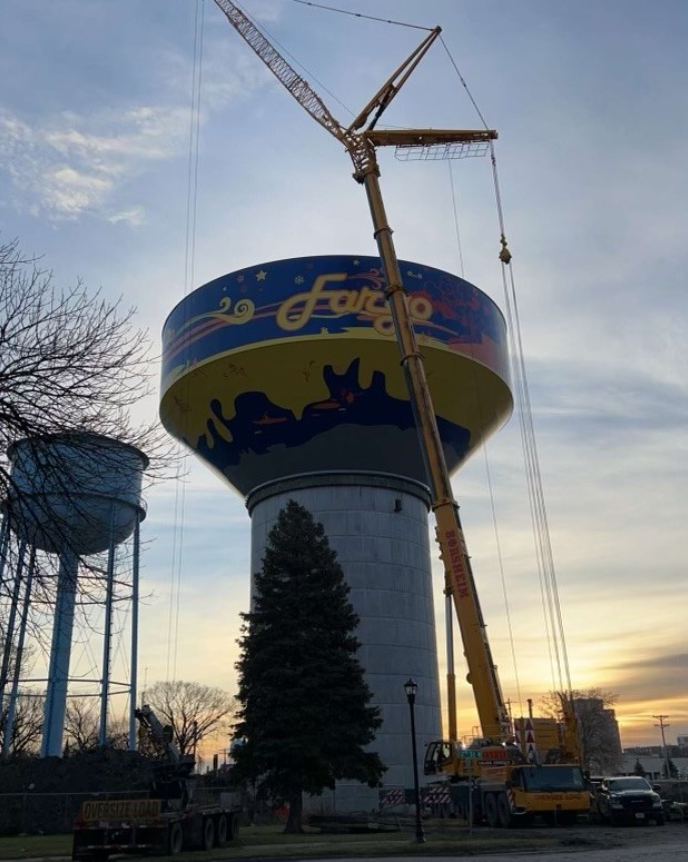
Art and culture projects often involve objects that are both extremely heavy and extremely delicate. Sculptures, monuments, museum installations, and public art displays depend on cranes for transportation, placement, and precision installation.
Outdoor sculptures may require lifts in tight public spaces filled with trees, walkways, people, and surrounding structures. Cranes often maneuver slowly and carefully to avoid damage to the artwork or the environment. Some installations require cranes to hold art pieces mid-air while artists or architects align them perfectly.
Creative architectural features—such as rooftop pools, suspended bridges, or large glass elements—also rely on cranes for placement. These projects require exceptional planning and often involve collaboration between engineers, artists, and crane operators.
Managing Industrial Equipment Relocations and Facility Upgrades
Some of the world's most challenging lifts happen inside manufacturing plants, power stations, refineries, and industrial facilities. These spaces often contain narrow hallways, heavy machinery, low ceilings, and equipment positioned at odd angles.
Cranes are used to relocate turbines, boilers, generators, and other large industrial components during facility upgrades or shutdowns. Many of these lifts require customized rigging, compact crane models, or modular cranes that can be assembled inside a building where traditional equipment cannot fit.
Industrial moves require perfect coordination between engineers, riggers, and crane companies to ensure safety and accuracy. Even a slight misalignment can cause costly delays or equipment damage.
Supporting Renewable Energy and Environmental Innovation
Advancements in renewable energy rely heavily on cranes. Solar farms use cranes to set structural frames and reposition large panels. Hydroelectric facilities require cranes to lift gates, turbines, and other critical components around dams and waterways. Offshore wind farms represent some of the most demanding crane operations on the planet, often requiring massive vessels with heavy-lift cranes operating miles from shore.
Environmental restoration efforts also use cranes to remove large debris, reposition fallen trees, install erosion control structures, or restore riverbanks. These applications showcase how far-reaching crane technology has become in promoting sustainability and ecological resilience.
Adapting Crane Equipment for Specialized or Unusual Operations
Many unique projects call for cranes that are modified, upgraded, or custom-built to meet very specific demands. Crane engineers may extend booms, add counterweights, design special rigging attachments, or configure cranes to fit highly restricted environments.
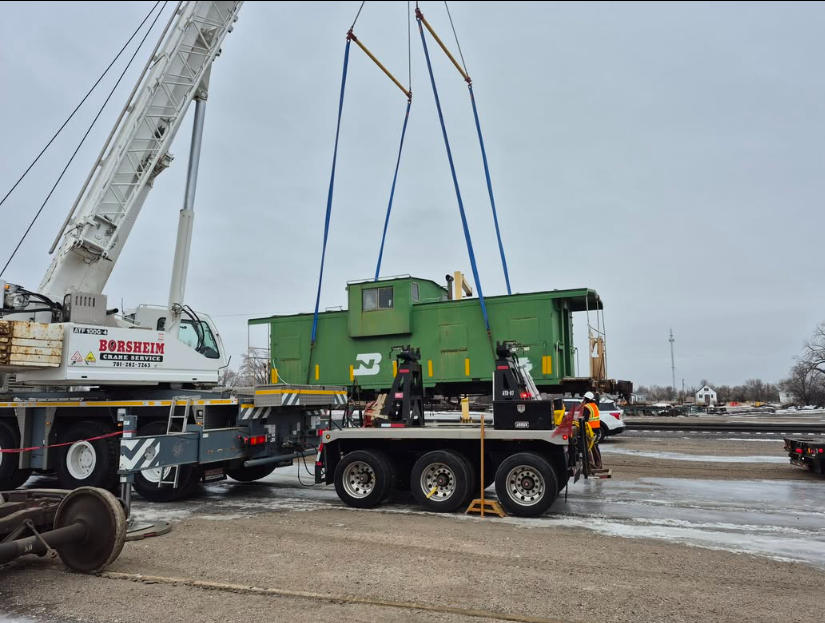
Railroad cranes, for example, are engineered with wheels that run directly on train tracks, assisting with derailment recovery, track repair, or bridge installation. Aerospace projects use cranes capable of handling massive aircraft parts or positioning spacecraft components with millimeter-level precision.
Underground or enclosed structures may require modular cranes that can be assembled piece by piece inside the workspace. These innovations demonstrate how crane companies continually adapt to unique project requirements rather than relying solely on traditional crane models.
Navigating Tight Urban Workspaces and High-Risk Construction Zones
Urban construction forces crane operators to think creatively. Cities are full of obstacles such as narrow streets, power lines, traffic, and neighboring buildings. Even routine lifts become complicated when space is limited and public safety is a top priority.
Self-erecting tower cranes are commonly used in cities because they can fit into small footprints while still offering height and reach. Mobile cranes with compact configurations are also essential for lifting loads over buildings or into small alleyways.
Every lift in a city environment requires extensive planning, including traffic coordination, utility inspections, and safety testing. Virtual simulations and engineered lift plans help crews prepare for these sensitive and highly regulated environments.
From underwater salvage to high-altitude construction, cultural installations, disaster recovery, and renewable energy development, cranes remain central to tackling the world's most difficult and unconventional projects. Their adaptability, engineering sophistication, and capacity for precise lifting allow industries to push boundaries that would otherwise remain unattainable. As modern technology evolves and project demands grow, cranes—and the skilled crane companies that operate them—will continue to play a defining role in shaping progress.
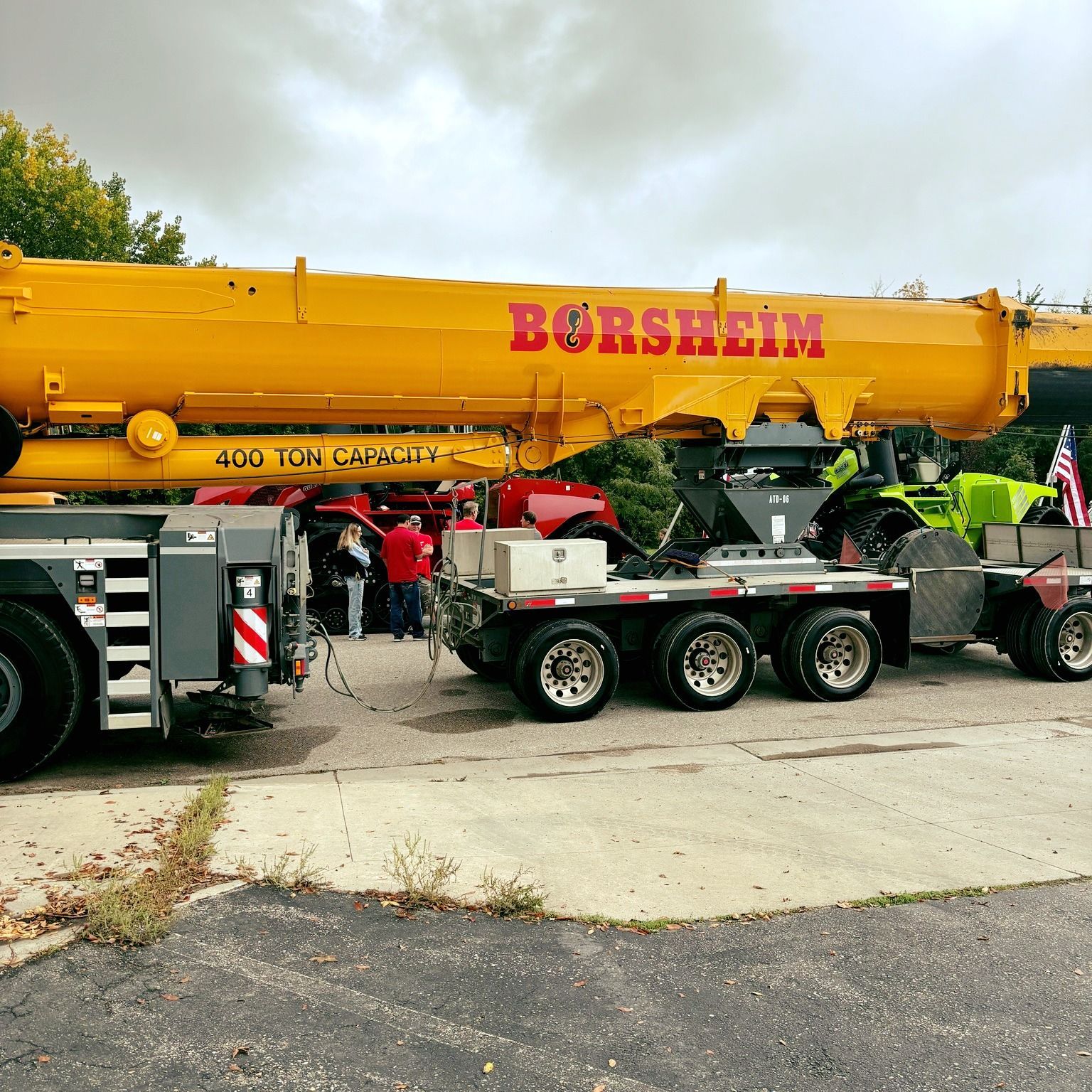
If you're preparing for a challenging project and need dependable lifting assistance, contact us at Borsheim Crane Service LLC today to get started.


Share On: