
The Role of Cranes in Large-Scale Infrastructure Projects
Cranes are a fundamental component in the execution of large-scale infrastructure projects. Historically, these machines have evolved from simple mechanisms used in ancient times to the technologically advanced systems we see today. Their importance cannot be understated, as they allow for the efficient transport and assembly of materials, effectively speeding up construction timelines. With ongoing innovations, cranes have adapted to meet the growing demands of modern construction, maintaining their position as essential tools in the industry. This article explores the historical significance, types, and technological advancements of cranes, as well as their impact on safety, efficiency, the environment, and the economy.
1. Historical Context and Evolution of Crane Technology
1.1 Early Crane Innovations
The origins of crane technology date back to ancient Greece, where simple cranes were used with rudimentary pulleys and winches. These early machines allowed for the construction of monumental structures such as the Parthenon. As early civilizations recognized the necessity for efficient lifting devices, cranes became more sophisticated, employing mechanical advantages to lift heavy stones. The basic principles laid down during this time have persisted through centuries, forming the core of modern crane technology. These ancient innovations paved the way for more advanced mechanisms in later eras.
1.2 Crane Evolution Through the Industrial Revolution
The Industrial Revolution marked a significant milestone in the evolution of crane technology. With the advent of steam power, cranes underwent transformations that enhanced their capabilities and efficiency. This era introduced the world to steam-powered cranes, which became integral in shipbuilding and railway construction. The development of stronger materials and new engineering techniques allowed cranes to handle heavier loads, facilitating industrial-scale construction projects. These advancements laid the groundwork for the further refinement of crane technology.
1.3 The Rise of Mobile and Tower Cranes
Mobile and tower cranes have become indispensable in the modern construction landscape. The introduction of these crane types revolutionized the construction industry, providing unmatched flexibility and height capabilities. Mobile cranes, with their ease of transportation and versatility, allow for rapid deployment in various construction settings. Tower cranes, on the other hand, are essential for high-rise construction, providing the necessary reach and load-bearing capacity. Together, these cranes form the backbone of contemporary construction methodologies.
1.4 Technological Advancements in the 20th Century
The 20th century saw significant technological advancements in crane design and operation. Innovations such as hydraulic systems increased cranes' lifting power and control precision. The adoption of diesel and electric motors allowed for more efficient and environmentally friendly operations. These enhancements not only improved performance but also contributed to increased safety in crane operations. Such continuous improvements have incrementally shaped the cranes used in today’s infrastructure projects.
1.5 Modern Crane Technology and Future Trajectories
Current trends in crane technology are centered around automation, digitalization, and eco-friendliness. Smart cranes equipped with sensors and automation technologies are increasing efficiency and safety on construction sites. Additionally, hybrid engines and alternative fuel sources are being integrated to reduce environmental impacts. Future developments are expected to further enhance cranes' operational capabilities, with a focus on sustainability and intelligent systems. These technological strides will continue to shape how cranes contribute to global infrastructure development.
2. Types of Cranes and Their Specific Applications
2.1 Tower Cranes: The Backbone of High-Rise Construction
Tower cranes are integral to the construction of skyscrapers and similar tall structures. Their ability to lift heavy loads to great heights makes them indispensable in urban projects. These cranes are often seen perched high above city skylines, symbolizing growth and development. Their fixed location during construction provides stability, allowing them to handle enormous weights safely. The evolution of tower crane technology continues to enable the construction of taller and more ambitious structures.
2.2 Mobile Cranes: Flexibility and Versatility
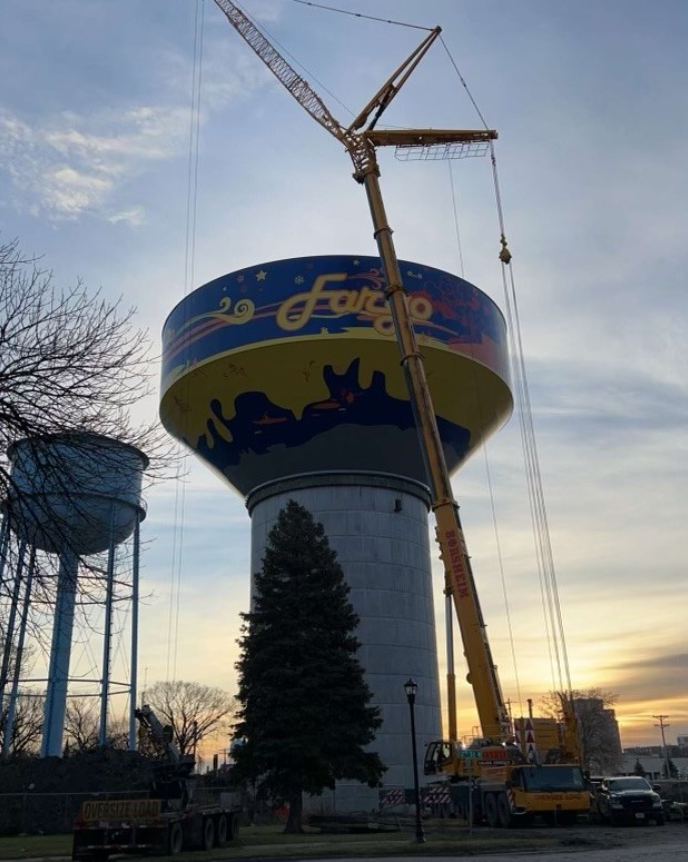
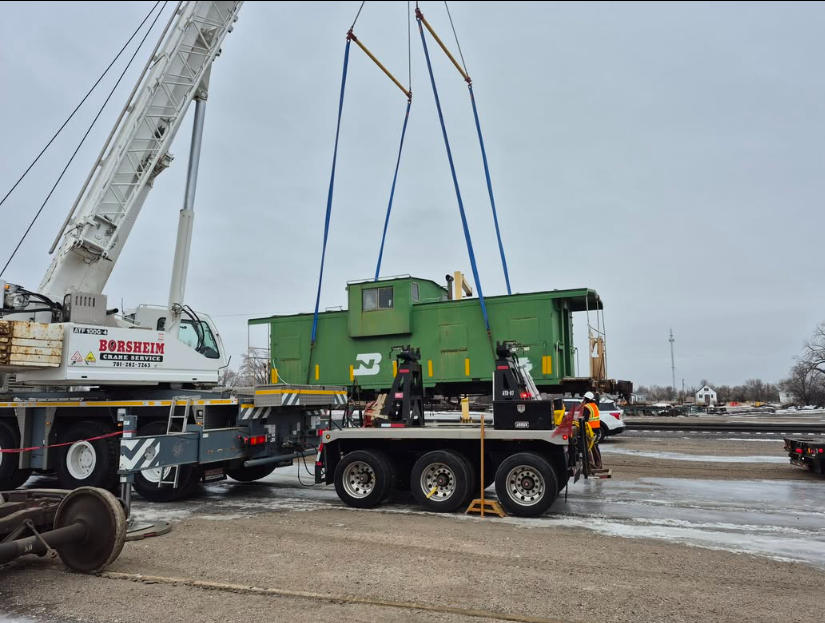
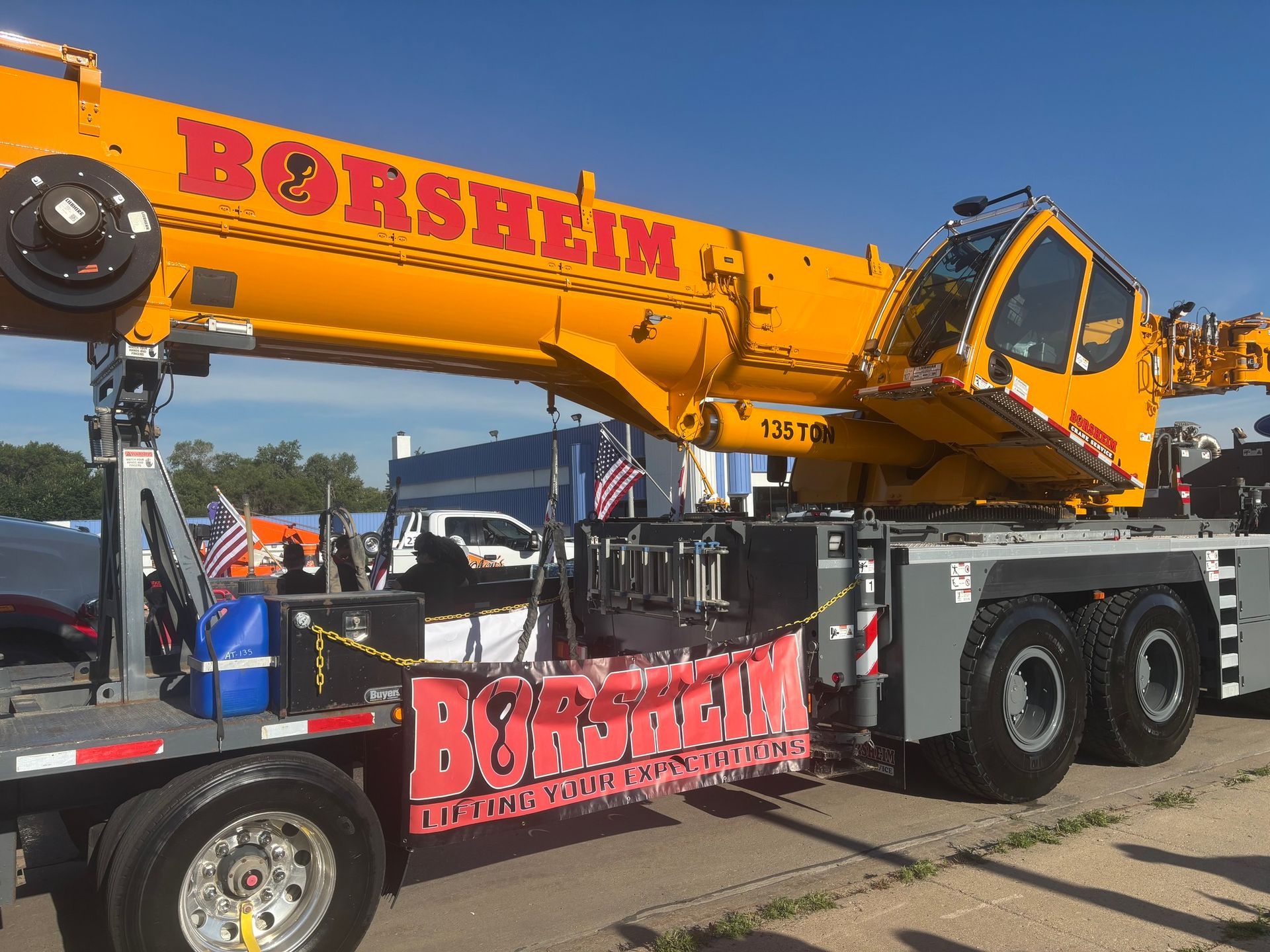
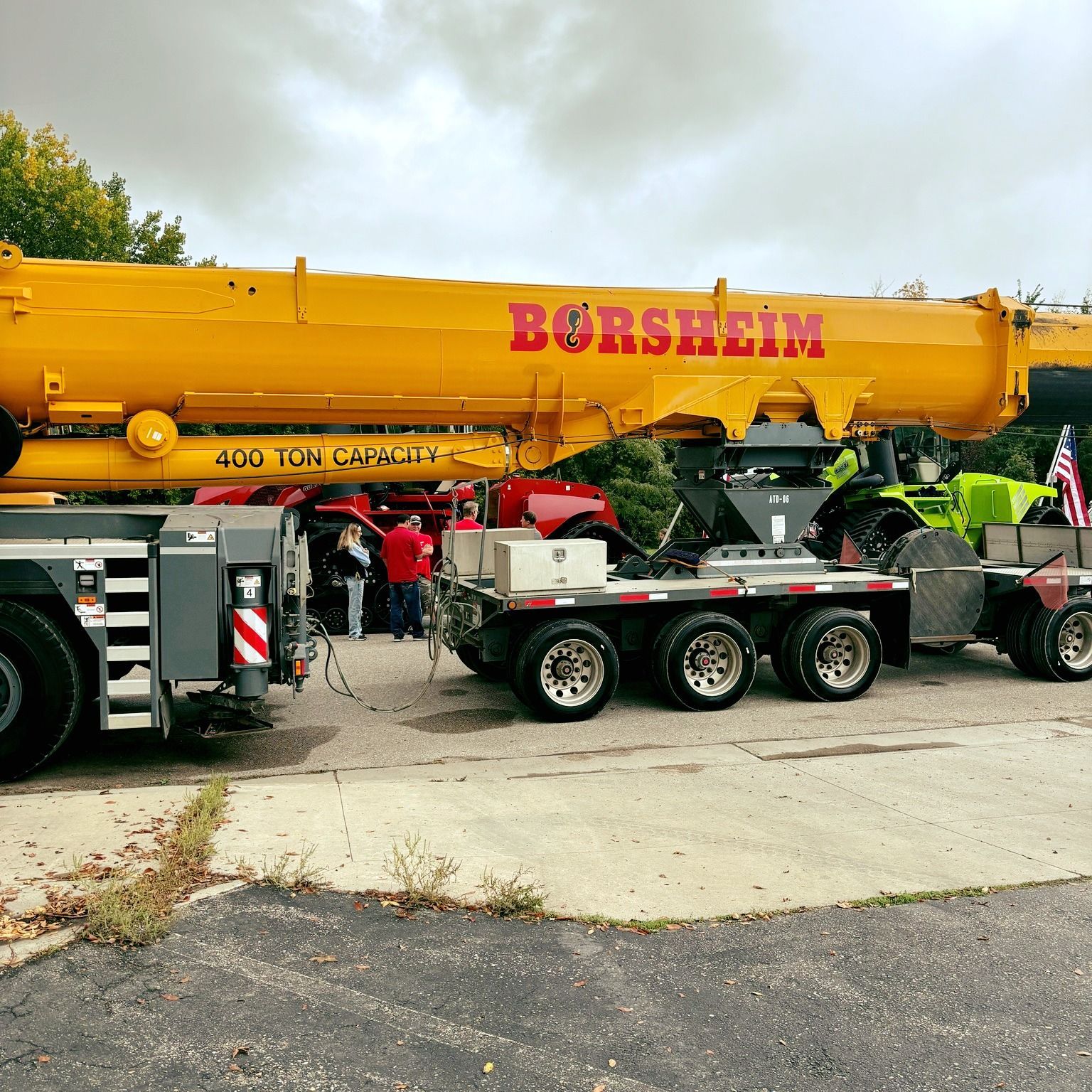
Mobile cranes offer unparalleled flexibility and can be quickly transported to different sites. These cranes are versatile enough to handle a wide variety of lifting tasks in both urban and rural settings. Equipped with wheels or tracks, mobile cranes can navigate challenging terrain and rapidly adapt to changing project needs. Their ability to move efficiently makes them a favorite for projects requiring flexible and dynamic responses. Mobile cranes, thus, are pivotal in ensuring the seamless continuation of infrastructure projects across diverse environments.
2.3 Crawler Cranes: Heavy Lifting and Stability
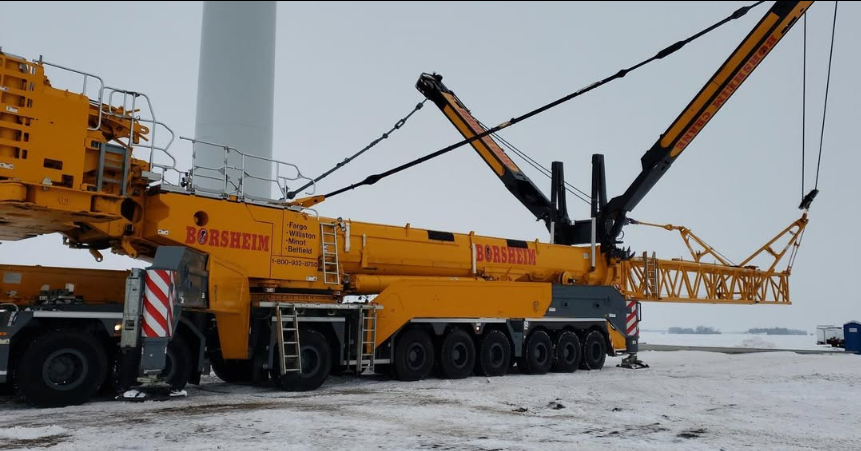
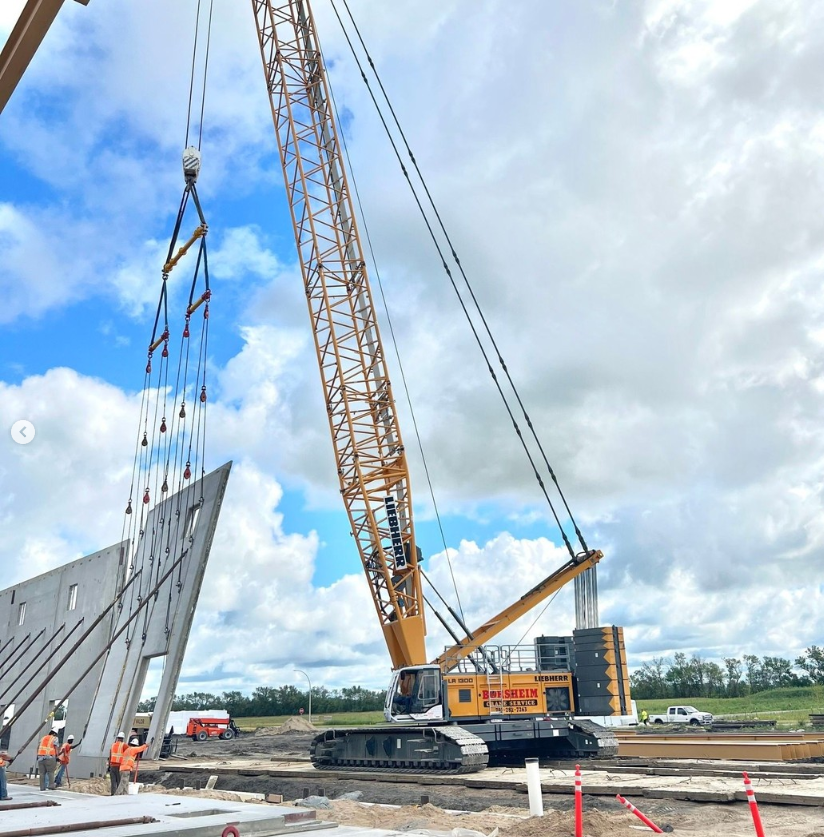
Crawler cranes are designed for projects requiring significant lifting capacity and stability. These cranes are mounted on rugged tracks, providing them with enhanced stability and traction. Their robust design allows them to lift extremely heavy loads, making them essential for large-scale construction projects such as bridges and power plants. Crawler cranes are especially advantageous in projects with complex logistical requirements due to their ability to handle uneven ground conditions. Their formidable lifting ability makes them a cornerstone in the construction of substantial infrastructure.
2.4 Floating Cranes: Naval and Offshore Applications
Floating cranes play a vital role in naval operations and offshore construction. These cranes are mounted on pontoons or ships, enabling them to access locations that land-based cranes cannot reach. They are frequently used in shipbuilding, bridge construction over water, and offshore oil platform development. The versatility of floating cranes allows for heavy lifting operations in maritime environments, which is crucial for many infrastructure projects. These specialized cranes ensure that even the most remote and challenging projects are achievable.
2.5 Specialized Cranes for Unique Challenges
In addition to the standard types, certain cranes are designed for unique and specialized purposes. For example, cranes employed in petrochemical plants are tailored to operate in hazardous environments. These cranes must adhere to strict safety regulations and perform under challenging conditions such as high temperatures and corrosive atmospheres. Such specialized cranes demonstrate the adaptability of crane technology to meet the diverse needs of different industries. By tailoring crane designs to specific challenges, the construction industry can surmount any obstacle it encounters.
3. The Role of Cranes in Safety and Efficiency
3.1 Enhancing Construction Efficiency
Cranes play a crucial role in enhancing the efficiency of construction processes. With their ability to move heavy materials quickly and precisely, they significantly reduce manual labor and time required. This capacity to expedite tasks translates into faster project completion, reducing costs significantly. According to Web FX, over 412,000 people work as heavy machinery operators, showcasing the reliance on cranes and similar equipment to streamline construction projects. By optimizing material handling, cranes enable construction teams to focus on core building activities, improving overall productivity.
3.2 Safety Standards and Regulations
Safety is paramount in crane operations, governed by stringent standards and regulations. Regulatory bodies enforce specific guidelines to ensure the safe operation of cranes, emphasizing the importance of safety protocols. Inspections, routine maintenance checks, and operator certifications are essential to adhere to these regulations. Compliance with safety standards minimizes the risk of accidents and ensures the well-being of crane operators and personnel on-site. The establishment and enforcement of these regulations demonstrate the industry's commitment to maintaining high safety levels.
Cranes continue to be an indispensable element in large-scale infrastructure projects. Their evolution from simple devices to complex machinery has revolutionized how we build, making construction safer, faster, and more efficient. As technology advances, we will likely see further innovations that will solidify cranes' role in building a sustainable future. Embracing environmentally friendly practices and integrating advanced technologies will enable cranes to meet the growing demands of modern infrastructure safely and sustainably. The significance of cranes in global development cannot be understated, as they are truly the backbone of our built environment. Be sure to reach out to Borsheim Crane Service LLC today for more information on our professional local crane companies!


Share On: